

GPS vs non-GPS robotic lawn mowers: which should you choose?
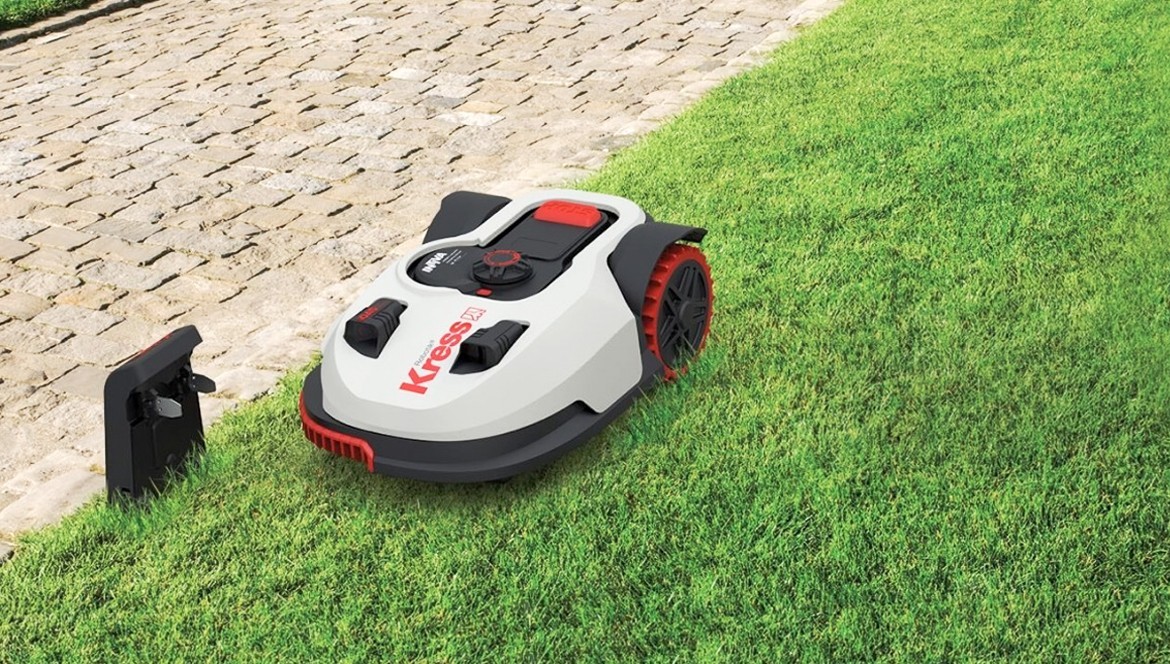
As automated lawn care evolves, robotic lawn mowers offer an efficient, advanced solution. One of the most important differences between models is whether they use GPS. Understanding the advantages of GPS and non-GPS machines helps you choose the best option for your garden.
How a non-GPS robotic lawn mower works
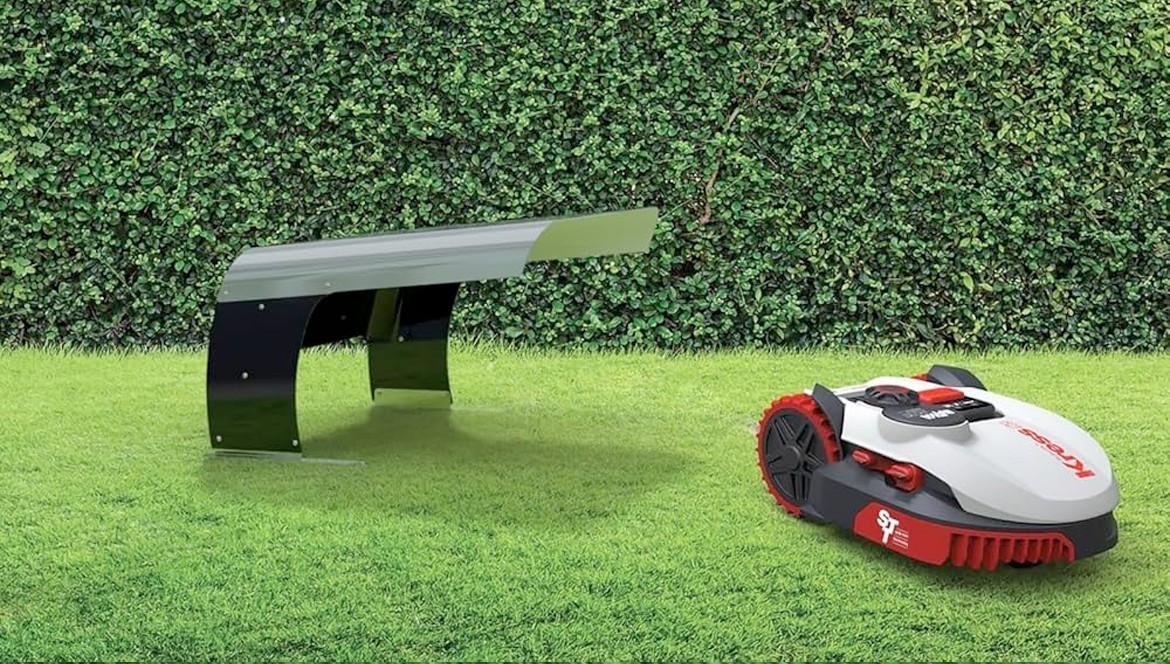
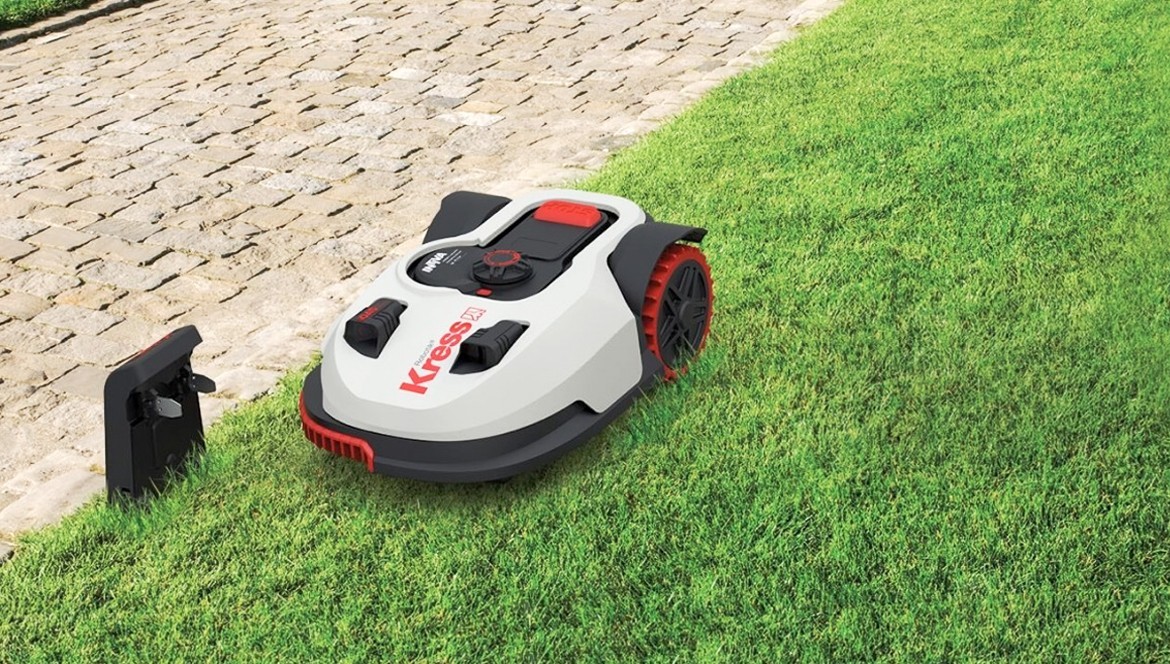
Robotic lawn mowers without GPS follow a random or semi-random cutting pattern within the boundary wire installed around the lawn. This proven system allows the mower to cover the entire working area over time and provides an even cut, especially on regular, small-to-medium lawns.
Non-GPS models are generally ideal for simple gardens with few separate areas, limited obstacles and a straightforward layout. Their main advantages are lower cost and simple operation, making them a good entry point for first-time robotic-mower owners.
What changes with a GPS robotic lawn mower
Robotic lawn mowers with integrated GPS represent a more advanced level of automation. Intelligent mapping allows the mower to recognise areas already cut and those still to be covered, optimising routes and reducing working time.
GPS also improves the management of complex gardens with narrow passages, multiple separate areas and large surfaces. Some models support remote control, anti-theft tracking and app-based cutting-zone settings.
Main differences between GPS and non-GPS models
The main differences concern efficiency, control and adaptability. GPS models reduce overlapping routes and provide faster, more uniform coverage, which can reduce wear and improve long-term lawn management.
Non-GPS models still perform very well, but may need more time to cover the entire surface and are less suitable for very large or complex gardens.
Which robotic lawn mower should you choose?
The right choice depends primarily on the garden layout and your expectations. For simple, compact lawns, a non-GPS model can be effective and affordable. For large gardens, slopes, separate zones or advanced control requirements, a GPS model is usually the better choice.
Choosing GPS means more precise, modern and automated lawn care, with less manual intervention and consistent results over time.